Category: Articles

Torque Converters Explained: How They Power Automatic Transmissions

Torque Converters Explained

Why Torque Converters Matter
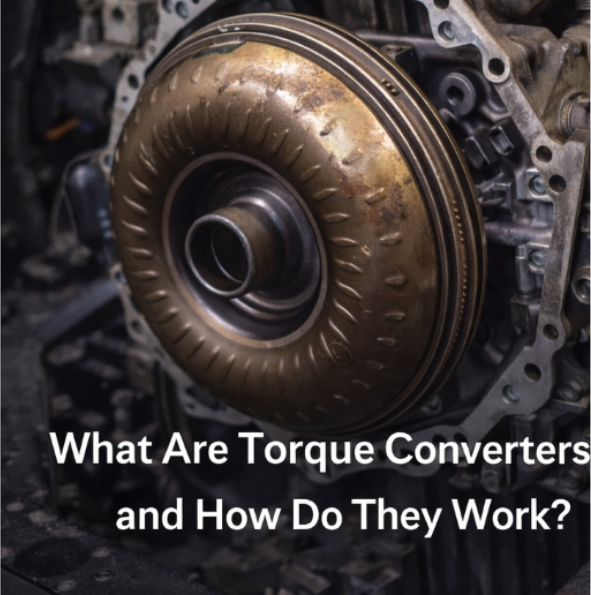
The torque converter is one of the most important yet overlooked components of an automatic transmission. Acting as a fluid coupling between the engine and transmission, it enables smooth gear shifts, multiplies torque when accelerating, and keeps the vehicle running efficiently at various speeds.

Without a properly functioning torque converter, the transmission cannot deliver power to the wheels effectively. This often results in slipping, overheating, poor fuel efficiency, and eventually major mechanical failure. Understanding how torque converters work is the first step in recognising problems early and protecting your transmission.

How a Torque Converter Works
A torque converter has three main components:
• The impeller, driven by the engine
• The turbine, connected to the transmission
• The stator, which redirects fluid to increase torque

When the engine spins the impeller, fluid is pushed toward the turbine, causing it to rotate and power the transmission. The stator increases torque during acceleration, allowing the vehicle to move from a stop with minimal effort.

As speed increases, the converter transitions from torque multiplication to efficient coupling, ensuring smooth cruising performance.

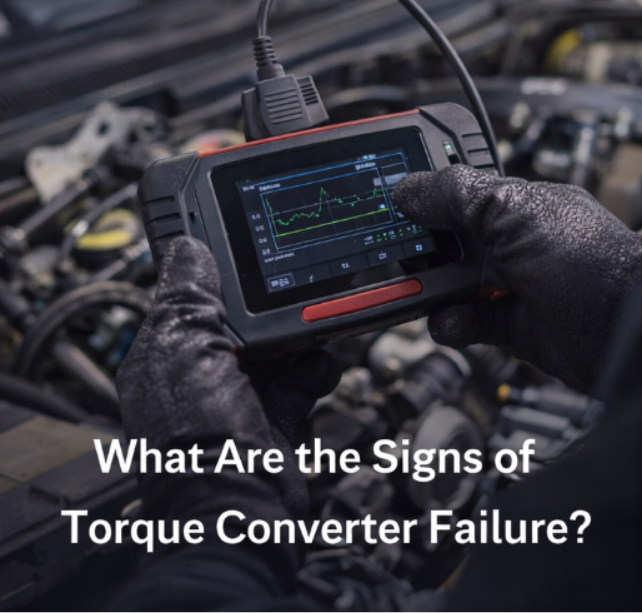
Common Signs of Torque Converter Failure
Recognising early symptoms helps prevent costly transmission damage. Look out for:
• Shuddering or vibrations when accelerating
• Transmission slipping at high or low speeds
• Overheating under normal driving conditions
• Delayed or harsh shifting
• Reduced fuel efficiency
• Unusual noises from the transmission area

These signs indicate the converter may be failing to transfer power efficiently.

Causes of Torque Converter Problems
Most issues stem from one of the following:
• Contaminated or degraded transmission fluid
• Worn internal bearings or clutch material
• Stator malfunction
• Excessive heat from towing or heavy loads
• Poor maintenance or overdue fluid changes

Addressing these problems early prevents full transmission failure.

How to Maintain a Torque Converter
Routine maintenance greatly extends lifespan. Essential practices include:
• Regular fluid and filter changes
• Monitoring for leaks and overheating
• Ensuring cooling systems function properly
• Scheduling diagnostic testing when symptoms appear

For heavy-duty vehicles, preventative maintenance is especially important due to higher load demands.

Why Choose Vortex VT for Torque Converter Diagnostics
Vortex VT offers comprehensive diagnostics to evaluate torque converter performance. Our testing methods identify slipping, pressure inconsistencies, overheating causes, and internal faults. After diagnosis, our technicians recommend suitable repairs or replacements based on your vehicle’s needs.

Whether you drive a passenger car, performance vehicle, or commercial truck, Vortex VT ensures your torque converter operates at peak efficiency.

“Strong performance starts with strong torque transfer.”

The Power of Prevention: How Routine Transmission Maintenance Saves You Money

Routine Transmission Maintenance

Why Preventative Transmission Maintenance Matters

Repairing a failed transmission is one of the most expensive mechanical repairs a vehicle can face. Yet most major failures begin as small, preventable issues. Preventative maintenance is the key to avoiding breakdowns, reducing long-term repair costs, and ensuring the smooth operation of both private and commercial vehicles.

By scheduling regular inspections, fluid replacements, and diagnostics, vehicle owners can drastically extend transmission lifespan and maintain optimal performance under all driving conditions.

How Transmission Wear Develops Over Time

Transmissions endure constant stress. Heat, friction, heavy loads, and contaminated fluid gradually wear down internal components. When maintenance is neglected, the system becomes vulnerable to:
• Overheating and fluid breakdown
• Clutch and band wear
• Solenoid malfunction
• Erratic shifting
• Total gearbox failure

Most of these issues can be prevented early with regular servicing.

Core Preventative Maintenance Steps

1. Regular Fluid Changes
Clean fluid reduces friction, improves cooling, and ensures smooth hydraulic pressure. Over time, fluid picks up metal particles and contaminants, making periodic replacement essential.

2. Scheduled Diagnostic Testing
Diagnostics identify minor issues before they become major problems. Scans reveal sensor faults, solenoid issues, and early signs of component failure.

3. Filter Replacements
Transmission filters trap contaminants before they reach sensitive components. Replacing them ensures consistent fluid flow and prevents internal blockage.

4. Cooling System Inspection
The cooling system protects the transmission from overheating. Regular checks prevent heat damage, especially in heavy-duty or towing vehicles.

5. Road Testing and Performance Monitoring
Trained technicians evaluate shifting patterns, temperature changes, and response under load during road tests to confirm transmission health.

Benefits of Preventative Maintenance

• Significantly reduced repair costs
• Improved driving performance and smoother shifting
• Increased fuel efficiency
• Extended lifespan of both fluid and mechanical components
• Less downtime for commercial fleets
• Higher reliability under heavy-duty workloads

Fleet Owners Benefit Even More

For companies operating commercial fleets, preventative maintenance is critical. A single transmission failure can lead to downtime, towing fees, missed deliveries, and lost revenue. Preventative care ensures fleet reliability, longer service intervals, and predictable operating costs.

Why Choose Vortex VT for Transmission Maintenance

Vortex VT offers tailored maintenance plans for both individual drivers and fleet operators. Our technicians use advanced diagnostic technology and high-quality fluids to protect your transmission from unnecessary damage.

We provide:
• Complete transmission inspections
• Fluid and filter changes
• Diagnostic testing and early fault detection
• Cooling system servicing
• Expert recommendations for long-term care

“Preventative maintenance today prevents expensive repairs tomorrow.”

A Complete Guide to Automatic Transmission Fluid Maintenance

Automatic Transmission Fluid Maintenance

Why Transmission Fluid Is Vital
Automatic transmission fluid (ATF) is the lifeblood of any gearbox. It provides lubrication for moving parts, regulates temperature by carrying away heat, and enables smooth gear changes by transmitting hydraulic pressure. Without clean and sufficient fluid, transmissions suffer from overheating, excessive wear, and ultimately, failure.

For heavy-duty vehicles and everyday cars alike, maintaining transmission fluid is one of the simplest yet most critical steps in preventative care.

What Transmission Fluid Does
Transmission fluid has three core functions:
• Lubricates internal gears, clutches, and bearings to reduce friction
• Cools the transmission by absorbing and dispersing heat
• Powers hydraulic systems that enable precise gear shifts

When fluid becomes old, contaminated, or depleted, its ability to perform these tasks diminishes rapidly.

Signs Your Transmission Fluid Needs Attention
Recognizing the warning signs of fluid issues can prevent major repairs. Look out for:
• Sluggish or delayed shifting
• Gears slipping under acceleration
• Burning smell or discolored fluid
• Warning lights for transmission overheating
• Visible leaks beneath the vehicle

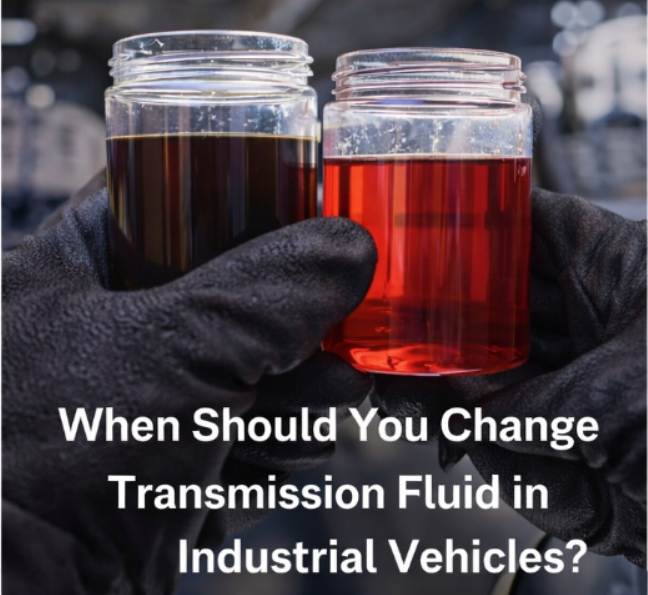
How Often Should Transmission Fluid Be Changed
Service intervals vary by vehicle type, usage, and manufacturer, but general guidelines include:
• Passenger cars: Every 60,000 to 90,000 km
• Heavy-duty or fleet vehicles: Every 30,000 to 50,000 km
• Severe usage (towing, frequent stop-and-go, high temperatures): Every 25,000 to 40,000 km

It’s always best to consult your vehicle manual or a trusted transmission specialist for exact recommendations.

Steps in Transmission Fluid Maintenance

1. Checking Fluid Levels
Fluid should be inspected regularly using the dipstick or electronic sensors, depending on the vehicle design.

2. Flushing or Draining
Old fluid is either drained from the pan or flushed through the system to remove contaminants and deposits.

3. Replacing Filters and Gaskets
A clean filter ensures that particles do not circulate back into the transmission.

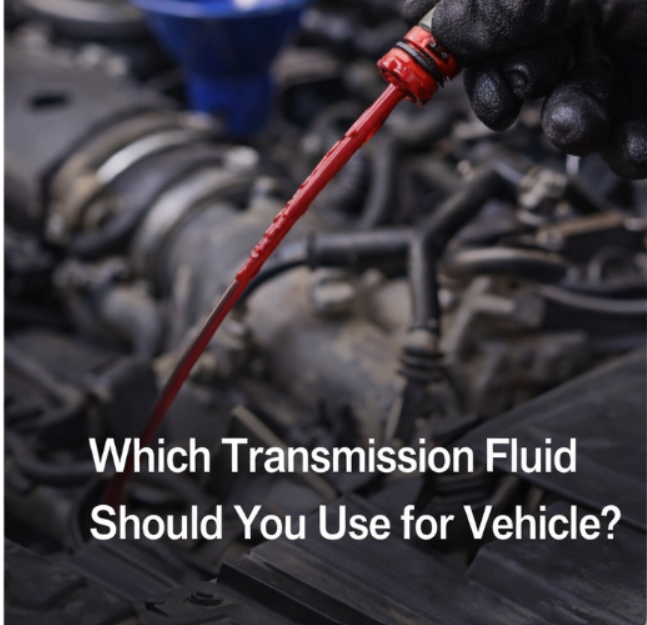
4. Refilling with the Correct ATF
Using the manufacturer-recommended fluid is essential. The wrong fluid type can cause poor lubrication and shifting problems.

5. System Testing
After replacement, technicians perform road tests and diagnostics to ensure correct fluid pressure and performance.

Benefits of Regular Fluid Maintenance
• Protects against overheating and premature wear
• Extends the lifespan of transmission components
• Improves fuel efficiency by reducing strain
• Ensures smoother, more responsive gear shifts
• Reduces the risk of costly gearbox replacements

Why Choose Vortex VT for Transmission Fluid Services
At Vortex VT, we provide professional ATF maintenance tailored to your vehicle’s needs. Our process includes fluid inspections, full replacements, filter changes, and post-service testing. We use OEM-approved fluids to ensure your transmission receives the exact specifications it requires.

Whether you manage a fleet of heavy-duty trucks or maintain a family vehicle, our expertise guarantees smooth operation and long-term reliability.

“Healthy fluid equals a healthy transmission.”

A Complete Guide to Heavy-Duty Transmission Overhauls

Heavy-Duty Transmission Overhauls

Why Transmission Overhauls Are Important
Heavy-duty transmissions are the backbone of commercial trucks, buses, and industrial machinery. They transfer engine power to the wheels, enabling these large vehicles to move efficiently and reliably. Because of the heavy loads and demanding conditions they endure, transmissions can suffer from wear, overheating, and mechanical stress.

When these issues are ignored, performance drops and costly breakdowns follow. Regular transmission overhauls provide a proactive solution, addressing problems early and ensuring long-term reliability.

Step One: Inspect for Wear and Damage
The overhaul process begins with a detailed inspection. This includes a visual check of the transmission casing, seals, mounts, and fluid levels. Signs of oil leaks, cracked seals, or worn components must be identified before further work begins.

Once the transmission is removed from the vehicle, it is disassembled for a full inspection. Each component—such as gears, bearings, and clutches—is cleaned and assessed for wear. Damaged parts are replaced, and reusable ones are prepared for reassembly.

Step Two: Clean, Replace, and Lubricate
All internal parts should be thoroughly cleaned to remove contaminants and old fluid residues. Worn components are swapped with new OEM or high-quality replacements to restore durability. As reassembly begins, proper lubrication is applied to protect moving parts and ensure smooth operation under load.

Step Three: Replace Transmission Fluid
No overhaul is complete without addressing the transmission fluid. Fluid is essential for cooling, lubrication, and hydraulic function. Old or contaminated fluid should be drained and replaced according to manufacturer specifications. Using the correct grade of fluid is crucial for maintaining efficiency and protecting against overheating.

Step Four: Reinstallation and Testing
After reassembly, the transmission is reinstalled and carefully aligned with the drivetrain. Once secured, technicians run diagnostics and a full test drive. This ensures the transmission shifts smoothly through all gears, responds correctly under acceleration, and maintains proper operating temperature. Both short urban drives and longer highway runs should be included in the test to simulate real-world use.

Benefits of Regular Overhauls
• Extended service life for heavy-duty vehicles
• Reduced risk of unexpected breakdowns
• Improved fuel efficiency and smoother gear changes
• Lower long-term repair costs compared to emergency fixes
• Reliable performance for demanding commercial operations

Why Choose Vortex VT for Overhauls
At Vortex VT, we specialize in heavy-duty transmission overhauls and repairs. Our technicians use advanced diagnostic tools, precision inspection methods, and premium-grade replacement parts. Beyond the overhaul itself, we provide recommendations on preventative maintenance schedules tailored to your fleet or vehicle usage.

Whether you operate long-haul trucks, construction vehicles, or industrial machinery, our overhaul services ensure your transmissions deliver dependable performance under the toughest conditions.

“Preventative care today saves costly downtime tomorrow.”

Dyno Testing Explained: How Dynamometers Unlock Vehicle Performance

How Dynamometers Unlock Vehicle Performance

Why Dyno Testing Is Essential
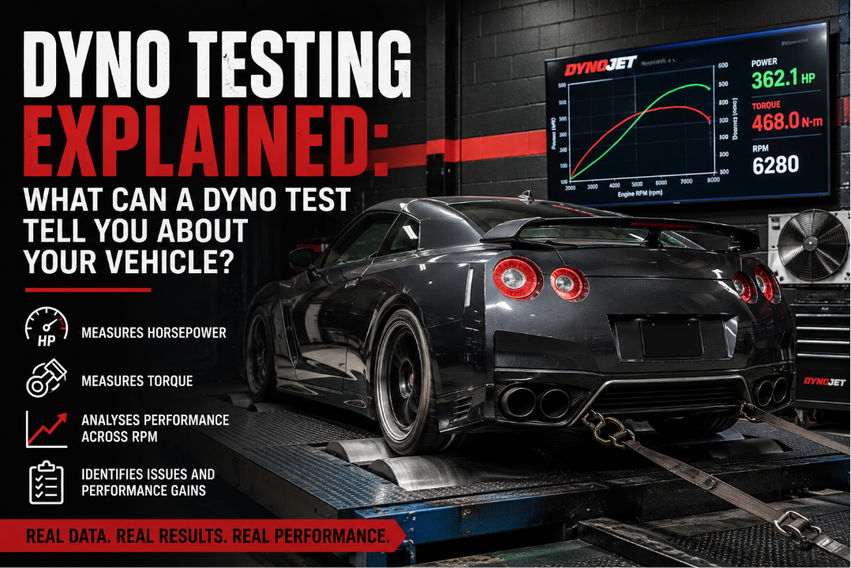
Dyno testing is a powerful method of measuring the force, torque, and power output of a vehicle. Using a specialized tool called a dynamometer, technicians can simulate real-world driving conditions to see exactly how an engine performs. For drivers, this testing provides more than just numbers, it offers an inside look at efficiency, tuning potential, and areas for improvement.

While dynos are commonly used for vehicle testing, they also play an important role in industrial applications, such as determining the torque and power needed to run machines like pumps or compressors. By providing accurate and controlled data, dyno testing has become an essential process for performance tuning, diagnostics, and preventative maintenance.

Types of Dynamometers
Different types of dynamometers exist to meet different testing needs.

Absorption or Passive Dynamometers: These measure torque and absorb power but cannot provide driving force.
Universal or Active Dynamometers: These can both absorb and provide power, offering greater testing flexibility.
Spring Dynamometers: Simple tools for measuring basic pulling force, though not suitable for engines or machines.
Electromagnetic Dynamometers: The most common for vehicles, using electromagnetic resistance to calculate horsepower and torque.

Each design has specific applications, but for accurate vehicle testing, active or electromagnetic dynos are the preferred standard.

How a Dyno Test Is Conducted
Performing a dyno test requires precision and preparation.

  1. Setup and Calibration
    Choose the correct dynamometer for the vehicle or machine and install it correctly. Calibration ensures readings are accurate and consistent.
  2. Warming the Engine
    Bring the vehicle’s engine to normal operating temperature. Light loads are applied during warm-up to prepare the system for testing.
  3. Applying Load and Measuring Data
    Gradually increase load while monitoring engine revolutions per minute (RPM). At wide-open throttle, adjust the brake’s load valve to control RPM levels, moving between test points while recording data such as torque, horsepower, and airflow.
  4. Cool Down
    Once measurements are taken, reduce throttle and release the load to allow the engine to return to idle safely.

What Dyno Testing Reveals
Dyno testing provides valuable insights, including
• Horsepower and torque output across the rev range
• Air-fuel ratio efficiency under load
• Engine responsiveness at different speeds
• Areas where performance tuning may enhance output

For performance vehicles, dyno testing often forms the foundation for ECU remapping and aftermarket upgrades. For standard vehicles, it identifies inefficiencies or problems before they escalate.

The Benefits of Professional Dyno Testing
Working with an experienced team such as Vortex VT ensures accurate testing and actionable feedback. Beyond the numbers, professional testing offers:

• Confidence in the reliability of results
• Tailored recommendations to improve horsepower and torque
• Safer testing conditions with controlled load and temperature monitoring
• Expert advice on supporting systems like cooling, fueling, and ignition

Why Choose Vortex VT for Dyno Testing
At Vortex VT, our skilled technicians conduct dyno testing with precision and care. Using advanced equipment, we help drivers uncover their vehicle’s true performance potential. Our service doesn’t stop at testing; we provide clear guidance on the next steps to enhance reliability, efficiency, or power output.

Whether you are a performance enthusiast or simply want to understand your car better, dyno testing at Vortex VT delivers accurate results and professional insight.

“Testing today helps you drive stronger tomorrow.”

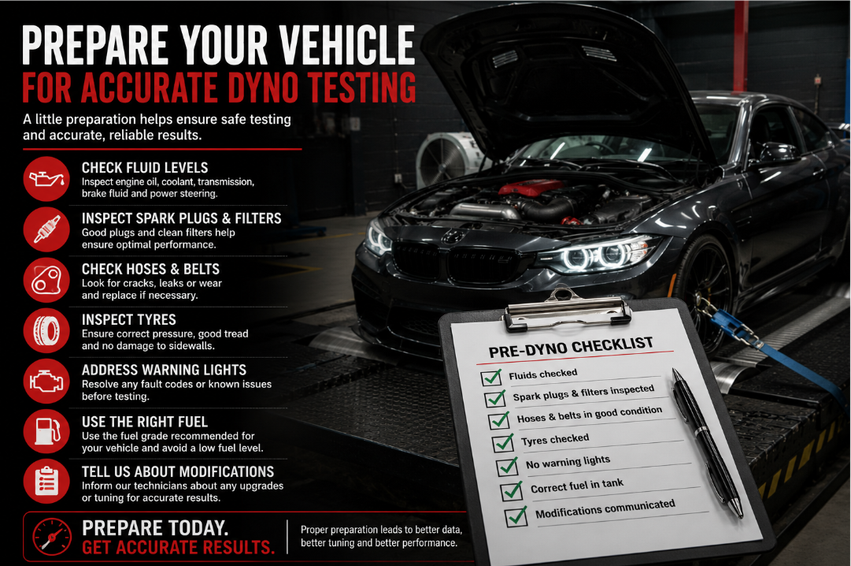
Preparing Your Vehicle for Dyno Testing to Achieve Accurate Results

Preparing Your Vehicle for Dyno Testing

Why Dyno Testing Matters
Dyno testing is one of the most effective ways to evaluate a vehicle’s performance under controlled conditions. By placing the car on a dynamometer, technicians can measure horsepower, torque, and power delivery across the rev range. For enthusiasts, dyno testing provides the raw data needed to fine-tune a vehicle for maximum efficiency and speed. For everyday drivers, it can reveal hidden issues that affect performance and fuel economy.

But dyno results are only as good as the condition of the vehicle being tested. To avoid inaccurate readings or mechanical stress, preparation is key.

What Dyno Testing Reveals
When done correctly, a dyno test gives drivers and technicians valuable insight into
• Horsepower and torque output at the wheels
• Air-fuel ratio efficiency
• Throttle response under load
• Potential tuning opportunities for improved performance
• Weaknesses in supporting components like cooling, ignition, or fueling systems

How to Prepare for Dyno Testing

1. Fresh Plugs and Filters
Since the dyno will push your car to its limits, ensuring your engine has clean resources is essential. Start by replacing spark plugs with the correct type and gap for your vehicle. Dirty or worn plugs can cause misfires and skew results.

Air, oil, and fuel filters should also be replaced if they’re nearing service intervals. Clean filters help your car breathe, lubricate, and fuel properly, ensuring the dyno measures actual performance, not restrictions.

2. Fluids and Oil Changes
Old or contaminated oil reduces lubrication and increases friction. A fresh oil change before testing provides consistent protection when the engine is running under extreme load. Also, check coolant and transmission fluid levels, as overheating during dyno runs is a common issue when fluids are neglected.

3. Hoses and Belts
Every dyno session stresses the engine. Hoses and belts that are cracked, stretched, or brittle may fail under pressure. It’s far better to replace these components in advance than risk a failure mid-test. A burst coolant hose, for example, can cut testing short and cause significant damage.

4. Performance Tires
Dyno testing measures wheel output, so the quality of tire contact with the rollers directly affects accuracy. Performance tires provide better grip and reduce the chances of slipping, which can lead to inaccurate readings. Check tire pressure and condition to ensure consistent results.

5. Address Warning Lights
If your vehicle has unresolved check engine lights or diagnostic trouble codes, have them inspected before the test. These may indicate underlying issues that could distort performance measurements or risk mechanical damage.

6. Fuel Quality and Levels
Always use the correct octane fuel for your vehicle before dyno testing. Poor fuel quality can cause knocking and reduce output. Ensure the tank is sufficiently filled to complete multiple runs without interruption.

Benefits of a Well-Prepared Dyno Session
• Reliable and repeatable performance data
• Safer testing conditions for your vehicle
• Clear insights for fine-tuning and modifications
• Confidence in making adjustments that genuinely improve output

Why Choose Vortex VT for Dyno Testing
At Vortex VT, we provide professional dyno testing in Johannesburg, helping both enthusiasts and fleet managers unlock accurate insights into vehicle performance. Our process includes
• Pre-test inspections to identify potential issues
• Multiple dyno runs for consistency
• Data analysis covering horsepower, torque, and air-fuel ratios
• Recommendations for tuning or servicing improvements

Whether you’re looking to optimise a performance car or verify the health of a transmission, our dyno services deliver precision results.

“Preparation leads to precision, and precision leads to performance.”

Understanding Transmission Cooling Systems and Their Role in Preventing Overheating

Understanding Transmission Cooling Systems

Why Transmission Cooling Matters

Overheating is one of the most common causes of transmission failure. Whether in a personal car or a heavy-duty fleet vehicle, high transmission temperatures can damage fluid integrity, wear down internal parts, and lead to costly repairs. A properly functioning cooling system regulates temperature, ensuring the transmission operates within safe limits even under heavy loads.

Signs of a failing cooling system can include

• Transmission slipping under load
• Burning smell from overheated fluid
• Warning lights on the dashboard
• Visible fluid leaks from cooler lines or radiator connections

How Transmission Cooling Systems Work

The cooling system’s primary role is to draw excess heat away from the transmission fluid. This is often achieved through a combination of
• A built-in cooler inside the vehicle’s radiator
• An external auxiliary cooler for added capacity
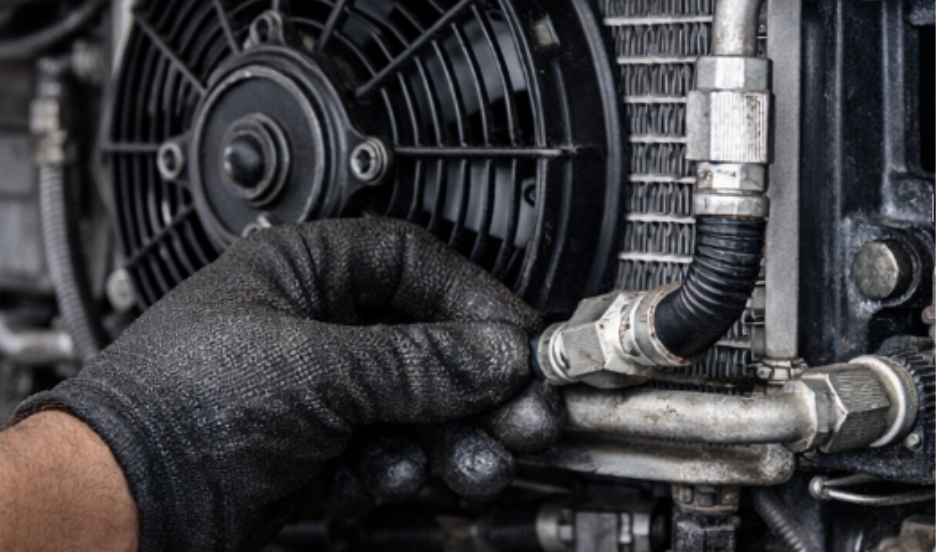
• Cooler lines that circulate fluid between the transmission and cooling units
• A thermostat or temperature sensor to regulate fluid flow

When functioning correctly, these components prevent fluid from reaching damaging temperatures and preserve transmission performance.

Benefits of a Healthy Transmission Cooling System

1. Extends Transmission Life
By maintaining ideal fluid temperature, the cooling system protects clutch packs, gears, and seals from heat damage.

2. Improves Vehicle Performance
Consistent temperatures mean smoother shifts and reduced power loss.

3. Prevents Fluid Breakdown
High heat accelerates fluid oxidation, reducing lubrication quality. Cooling systems slow this process significantly.

4. Supports Heavy-Duty Work
For towing, hauling, or off-road driving, an efficient cooler ensures the transmission can handle extended strain.

Maintenance Tips for Transmission Cooling Systems

• Inspect cooler lines and connections regularly for leaks or cracks
• Flush the transmission fluid and cooler at recommended intervals
• Ensure the radiator and auxiliary cooler are free from dirt and debris
• Replace worn thermostats or sensors promptly

When to Upgrade Your Cooling System

An upgrade may be necessary if you regularly drive in high temperatures, tow heavy loads, or notice fluid temperatures consistently running hot. Adding an external cooler is one of the most effective ways to boost cooling capacity.

Why Choose Vortex VT for Cooling System Service

At Vortex VT, we specialize in diagnosing and servicing transmission cooling systems for both standard and heavy-duty vehicles. Our process includes
• Full inspection of cooling components
• Temperature performance testing
• Cleaning and flushing of coolers and lines
• OEM-spec repairs and upgrades

“Cooling your transmission today can save it tomorrow.”

The Importance of Diagnostic Testing in Transmission Maintenance

The Importance of Diagnostic Testing

Why Diagnostic Testing Matters

Modern vehicles rely on complex electronic and mechanical systems to operate efficiently. Within the transmission alone, dozens of sensors, solenoids, and hydraulic pathways work together to deliver smooth gear changes. When something goes wrong, guessing the cause can lead to costly trial-and-error repairs. Diagnostic testing eliminates the guesswork by pinpointing faults quickly and accurately.

What Is Transmission Diagnostic Testing

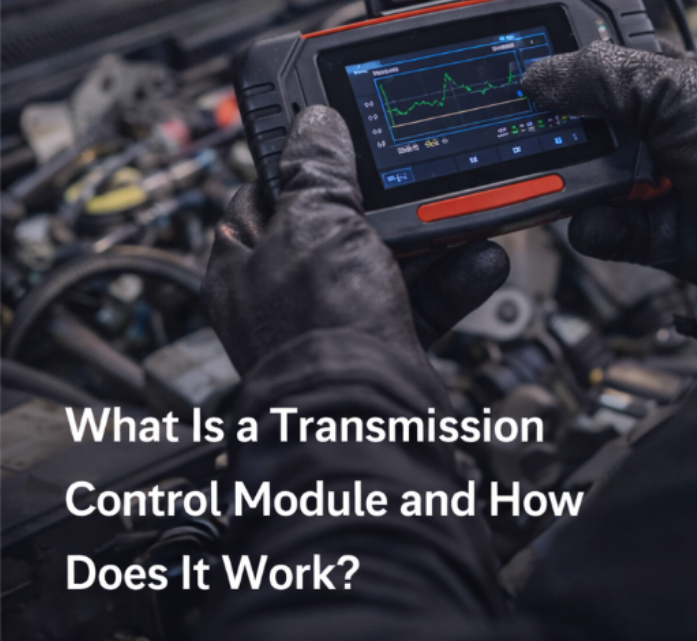
Diagnostic testing involves connecting the vehicle to advanced scan tools that communicate with its onboard computers. This allows technicians to
• Retrieve fault codes stored in the Transmission Control Module (TCM)
• Monitor live data from sensors and solenoids
• Conduct pressure and temperature checks
• Simulate various driving conditions to detect intermittent faults

By combining electronic testing with physical inspection, technicians can create a precise repair plan.

Common Issues Detected Through Diagnostics

• Faulty shift solenoids
• Low or degraded transmission fluid
• Torque converter issues
• Electrical faults in wiring harnesses
• Overheating due to cooling system failure
• Sensor malfunctions (speed, pressure, temperature)

Benefits of Early Detection

1. Reduced Repair Costs
Catching small issues before they escalate prevents major transmission failures.

2. Faster Repairs
Pinpointing the fault means technicians can go directly to the source.

3. Improved Safety
Reliable shifting prevents dangerous driving situations such as unexpected gear loss.

4. Extended Vehicle Life
Maintaining transmission health contributes to overall vehicle longevity.

Best Practices for Regular Diagnostic Testing

• Schedule a diagnostic check at least once a year, or more frequently for high-mileage vehicles
• Request a diagnostic scan if you notice warning lights, unusual noises, or shifting problems
• Include diagnostics as part of routine servicing for fleets and work vehicles
• Keep a record of test results for long-term vehicle history

Why Choose Vortex VT for Transmission Diagnostics

Vortex VT uses the latest diagnostic equipment and manufacturer-grade software to identify faults in all types of automatic and semi-automatic transmissions. Our team’s expertise ensures that every scan is backed by thorough mechanical inspection, giving you both accuracy and peace of mind.

Our diagnostic service includes

• Full system scan of the TCM and related modules
• Analysis of live operational data
• Hydraulic pressure testing
• Cooling system performance check
• Clear, actionable repair recommendations

“Accurate diagnostics today means fewer breakdowns tomorrow.”

The Role of Valve Body Diagnostics in Modern Automatic Transmission Repairs

Valve Body Diagnostics

Why Valve Body Diagnostics Matter
In today’s sophisticated automotive world, automatic transmissions are more complex than ever. At the center of this complexity lies the valve body, the component responsible for directing hydraulic fluid to perform gear shifts.

A failing valve body can lead to:
• Unpredictable or hard shifting
• Gear slippage or delayed engagement
• Transmission overheating
• Inconsistent acceleration

Modern valve body diagnostics provide data-driven insights into these symptoms, helping technicians identify the root cause faster and more accurately.

Key Elements of Effective Valve Body Diagnosis

1. Real-Time Data Analysis
Technicians use scan tools to read solenoid performance, pressure behavior, and live gear engagement data, key indicators of valve body health.

2. Hydraulic Testing
Pressure inconsistencies can signal stuck valves or faulty channels. Hydraulic diagnostics help isolate leaks, obstructions, or weak actuation.

3. Electronic Fault Tracking
Fault codes tied to the TCM (Transmission Control Module) often point to solenoid, wiring, or sensor problems linked to the valve body.

4. Pattern Recognition
Intermittent issues can be spotted by overlaying vehicle behavior over time, identifying irregularities during upshifts, downshifts, or high-load conditions.

Common Diagnostic Tools and Methods
• OBD-II Scanners with advanced transmission modules
• Oscilloscopes for solenoid signal testing
• Transmission pressure gauges
• Thermal imaging for detecting overheating zones
• Live test drives with logging modules

Using these tools, technicians reduce guesswork, target specific faults, and avoid unnecessary full rebuilds.

Benefits of Valve Body Diagnostics
• Cost Efficiency
Avoids replacing the entire transmission when only the valve body is affected.

• Minimized Downtime
Faster issue identification leads to quicker repairs and fewer returns.

• Extended Gearbox Life
Regular diagnostics catch faults early, preserving clutches and internal components.

• Better Customer Confidence
Data-backed findings improve transparency and decision-making.

When Should You Get a Valve Body Diagnostic?
If you’re experiencing any of the following, it’s time to test:
• Jerky or delayed shifting
• Warning lights (especially “check transmission”)
• Transmission slipping under acceleration
• Fluid leaks or overheating

VORTEX VT – Precise, Professional Transmission Diagnostics
At Vortex VT, we use the latest transmission diagnostic equipment and OEM-aligned data sets to detect and resolve valve body issues. Whether you’re managing a commercial fleet or servicing a personal vehicle, our accurate diagnostics keep you moving reliably.

“Don’t wait for a breakdown. Diagnose and drive smarter today.”

The Impact of Regular Transmission Servicing on Vehicle Longevity

Regular Transmission Servicing

Why Transmission Servicing Matters
Transmission servicing is often overlooked in standard vehicle maintenance schedules, yet it plays a vital role in the health and performance of your vehicle. Whether you manage a commercial fleet or own a private car, regular servicing ensures optimal transmission function, reduces mechanical wear, and helps avoid unexpected failures.

Neglecting the transmission can lead to
• Overheating and breakdowns
• Gear slippage and hard shifting
• Increased fuel consumption
• Costly repairs or complete replacement

Servicing provides an opportunity to prevent issues before they occur, saving both time and money over the long term.

What Is Transmission Servicing
Transmission servicing is a routine maintenance procedure designed to inspect, clean, and preserve the health of your vehicle’s transmission system. It generally includes
• Draining and replacing old transmission fluid
• Cleaning or replacing the transmission filter
• Flushing the sump and pan
• Checking gaskets and seals for leaks
• Running diagnostics to detect potential internal issues

Unlike a full transmission rebuild, servicing is a preventative action aimed at extending component life and performance.

How Transmission Servicing Extends Vehicle Life

1. Reduces Overheating
Old or degraded fluid can cause higher operating temperatures, which can lead to internal damage. Fresh fluid keeps your transmission cool and efficient.

2. Minimizes Friction
Clean fluid and filters reduce friction between moving parts, protecting key components such as clutches, bands, and solenoids.

3. Improves Shift Quality
Fresh fluid ensures responsive and accurate gear changes, resulting in a smoother driving experience.

4. Boosts Fuel Economy
A well-functioning transmission helps the engine operate more efficiently, especially under load or when towing.

5. Prevents Major Failures
Routine inspections can catch early signs of wear or contamination before they become costly problems.

How Often Should You Service Your Transmission
Service intervals depend on vehicle type, usage, and manufacturer recommendations
• Passenger cars Every 60,000 to 90,000 km
• Heavy-duty vehicles or fleets Every 30,000 to 50,000 km
• Severe conditions such as towing or stop-and-go traffic every 25,000 to 40,000 km

Your vehicle manual or a qualified transmission specialist can provide the most accurate recommendation.

Warning Signs You Need Transmission Service
If your vehicle shows any of the following symptoms, it may be overdue for service
• Delayed or rough shifting
• Transmission warning light
• Slipping between gears
• Fluid puddles beneath the vehicle
• Burning smell or unusual noises

Why Choose Vortex VT for Transmission Servicing
Vortex VT offers comprehensive transmission servicing tailored to your vehicle’s specific needs. We utilize OEM-grade diagnostics, premium fluids, and trained technicians to ensure optimal results. Whether you operate a single SUV or a commercial transport fleet, we guarantee precision servicing with maximum uptime.

Our process includes
• Transmission fluid replacement
• Filter and gasket cleaning or replacement
• Inspection of torque converter performance
• Detection of internal faults using diagnostic tools
• Maintenance logs for fleets and repeat service scheduling

“Good servicing is the difference between replacement and reliability.”